
Notes from the work.
Speed, platforms, search — what we learn while building.
Glossary · 281 terms, explained plainly →
Branding vs marketing: what’s the difference?
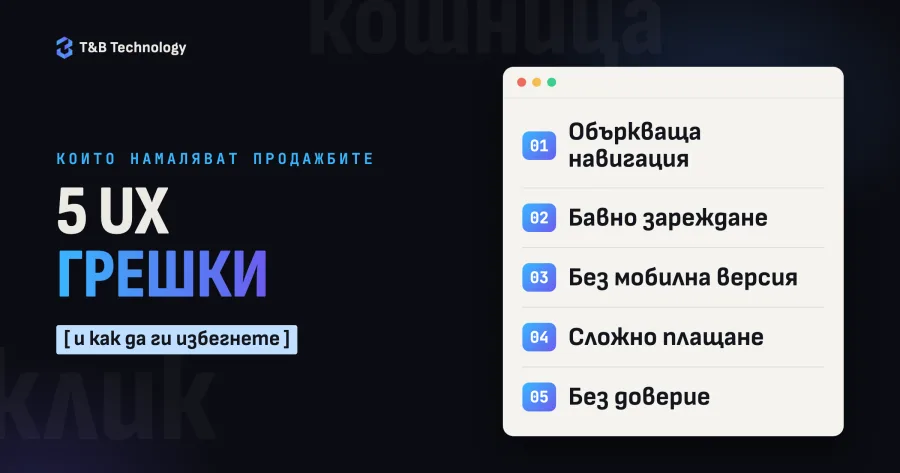
5 UX mistakes that cost your online store sales
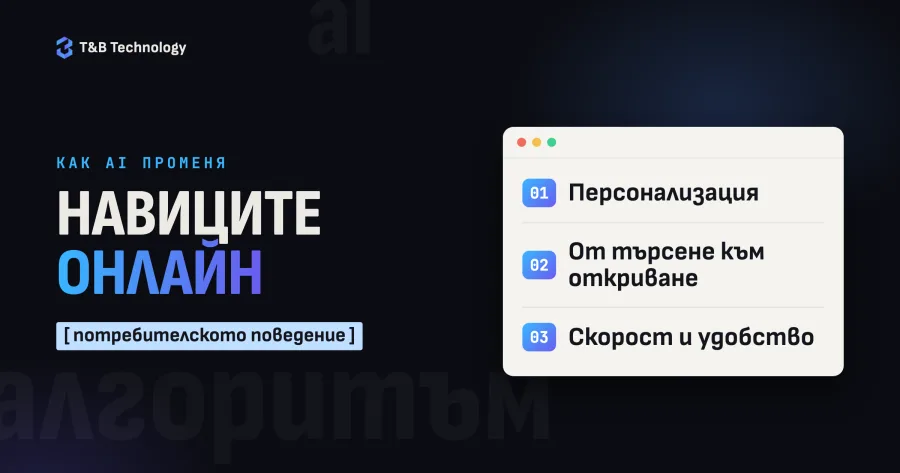
How AI is changing consumer habits online
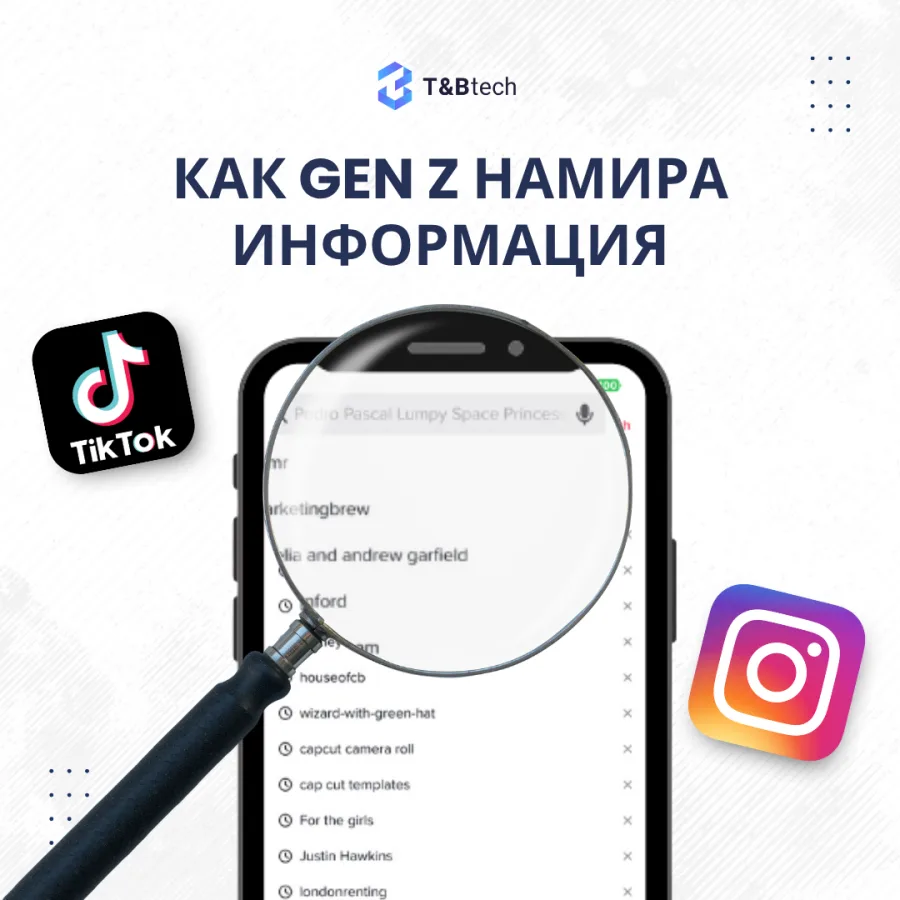
From TikTok to Google: how Gen Z finds information online
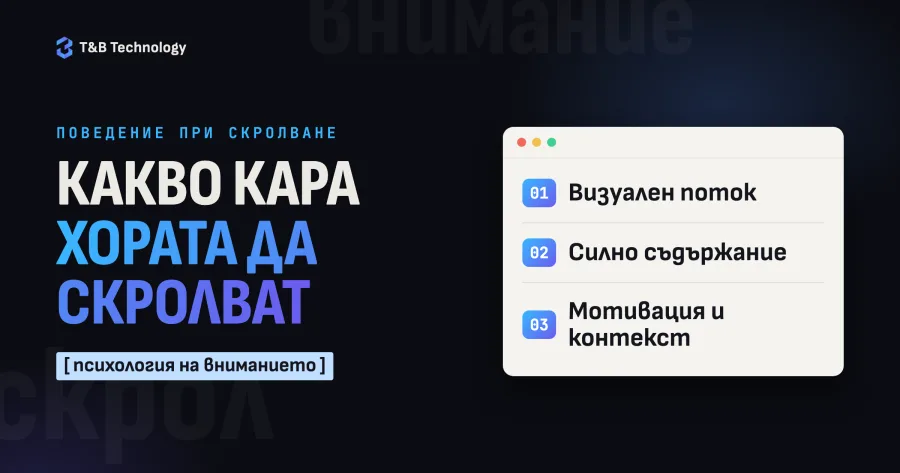
Scroll behaviour: what makes people keep scrolling?
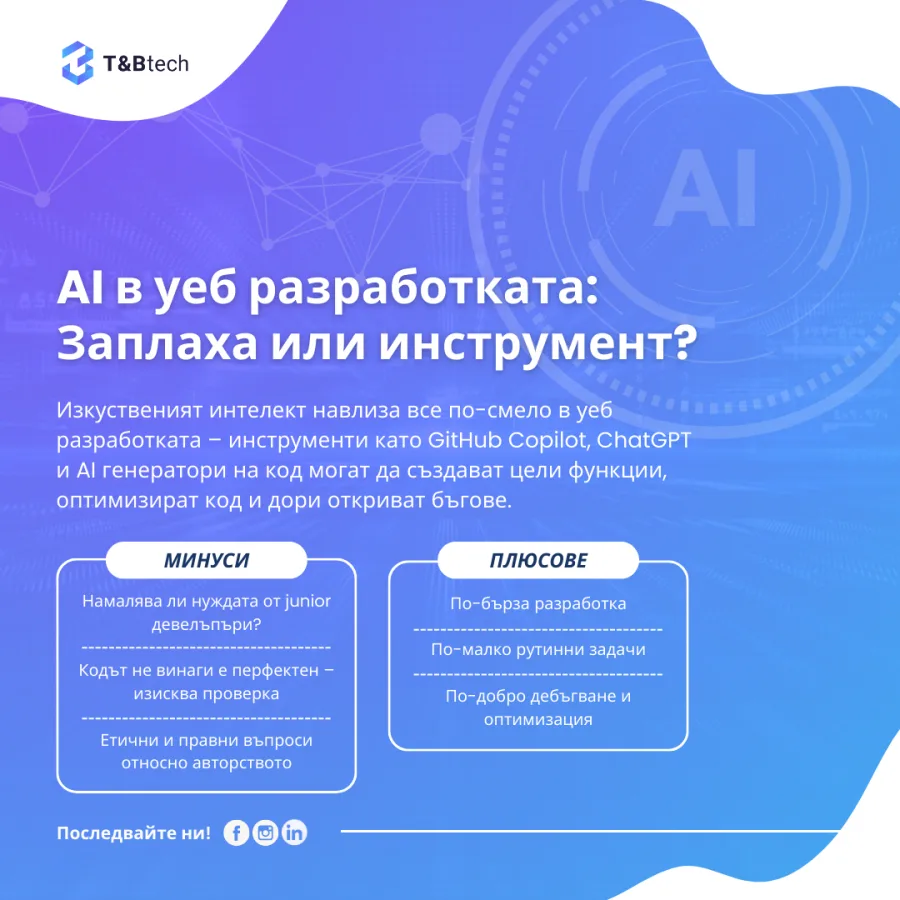
AI in web development: helper or threat?
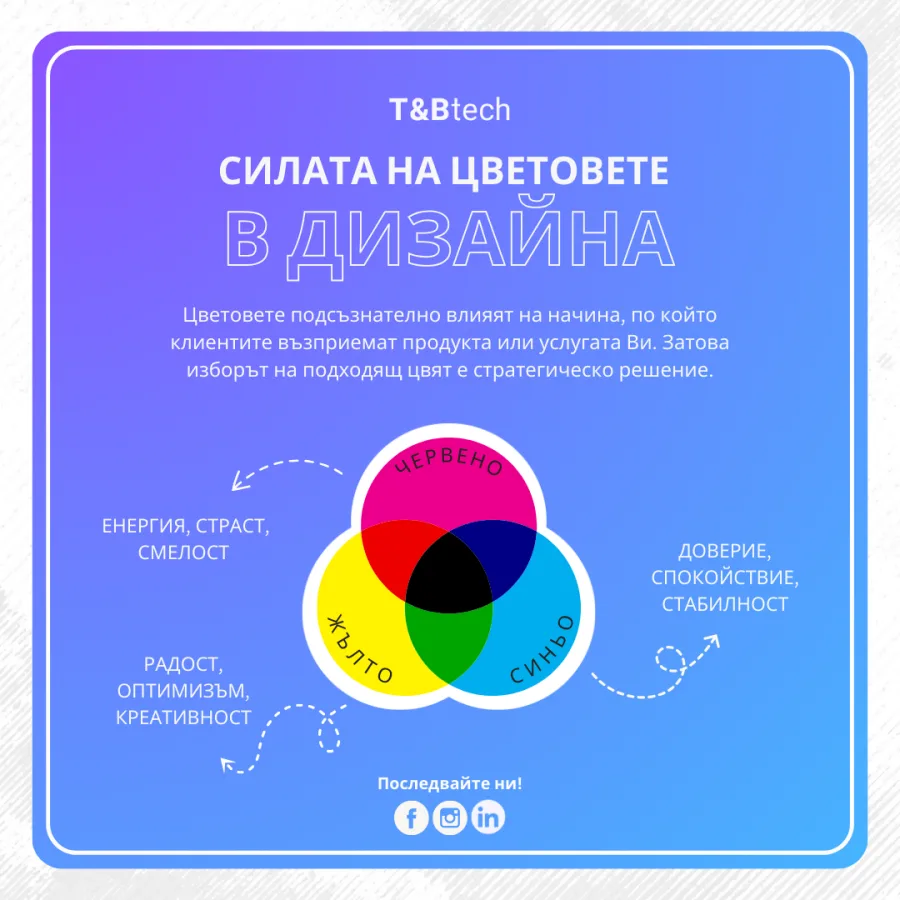
The power of colour in design: how colour psychology works
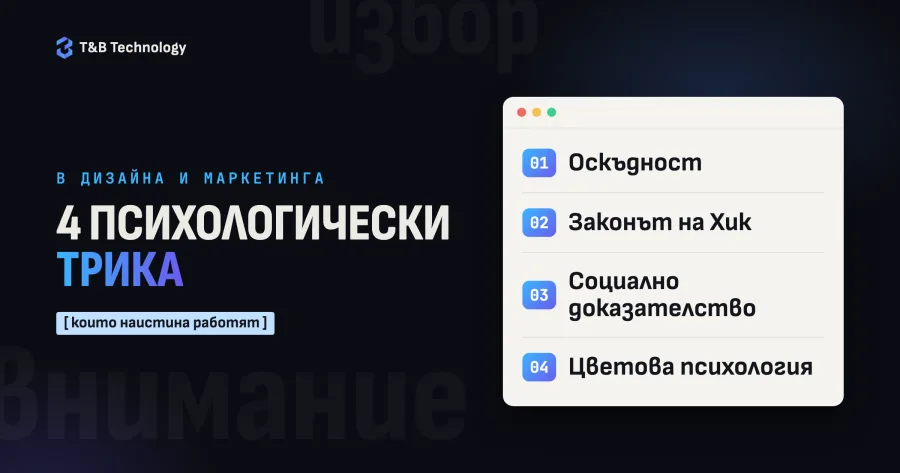
4 psychological tricks in design and marketing that actually work
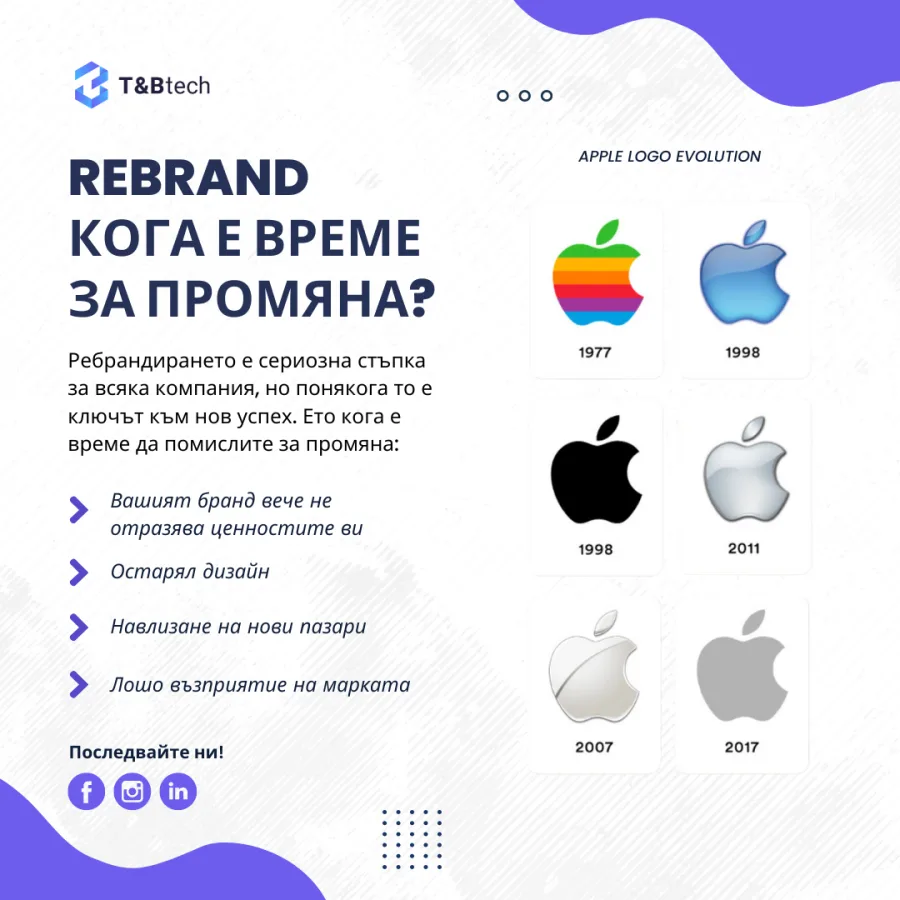
Rebranding: how to tell when it is time for a change
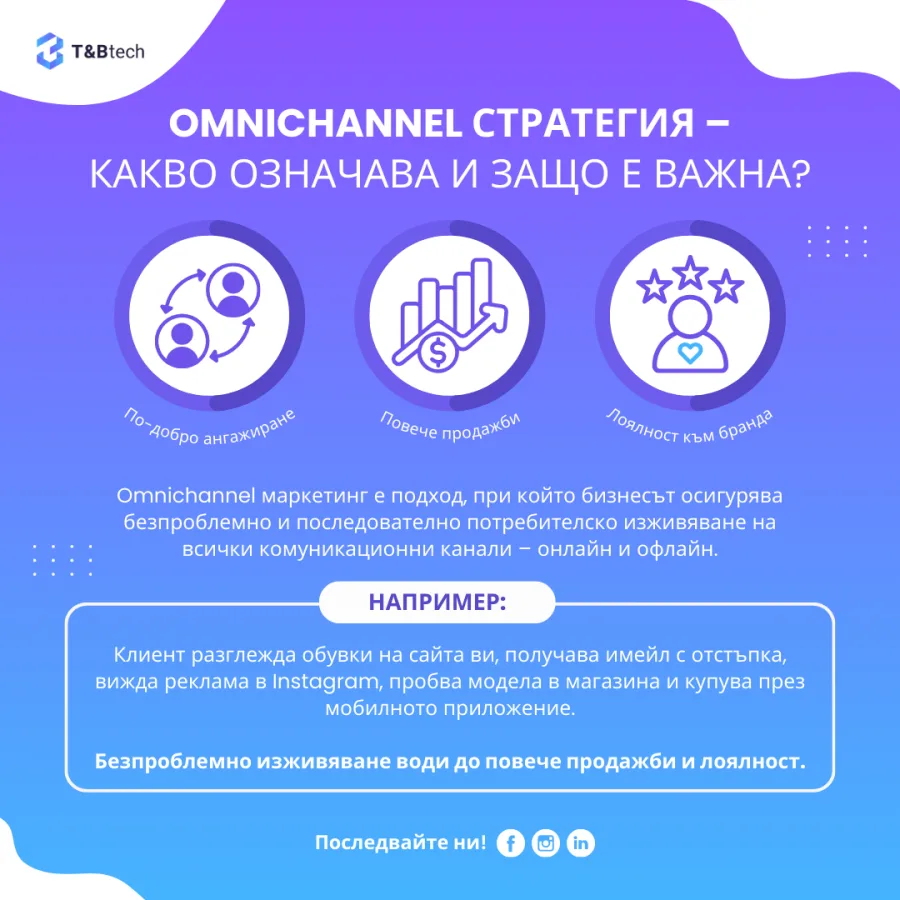
Omnichannel strategy: what omnichannel marketing is and how to build it
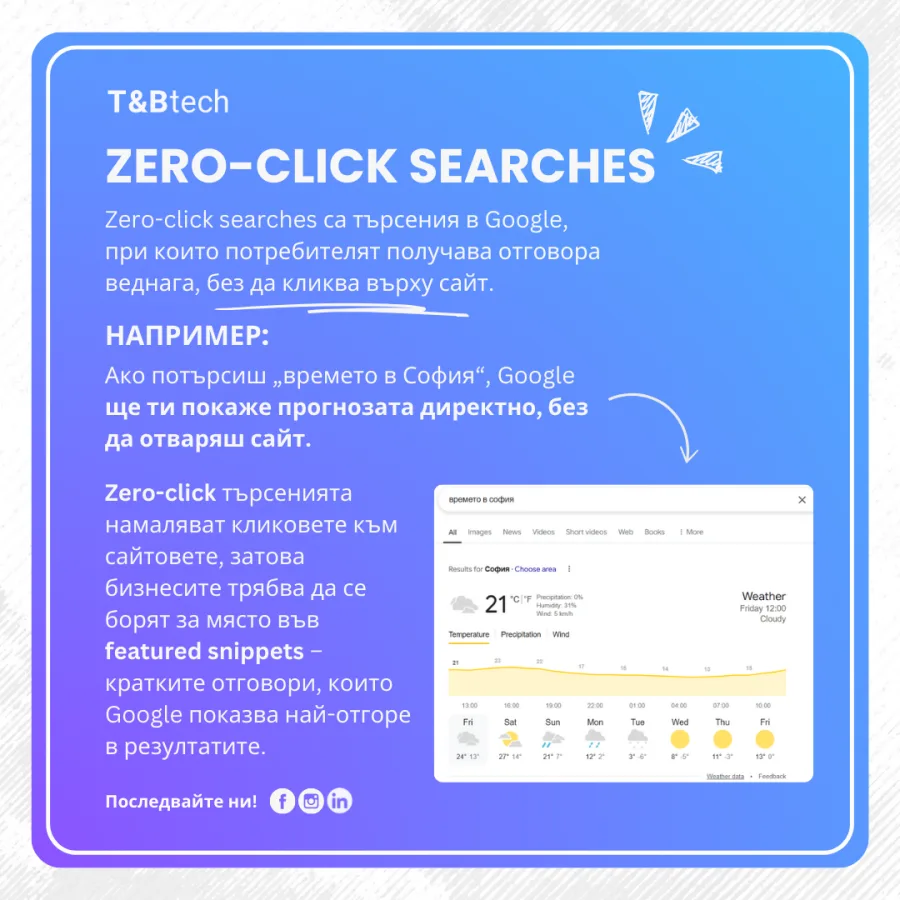
What are zero-click searches, and how should your SEO adapt?
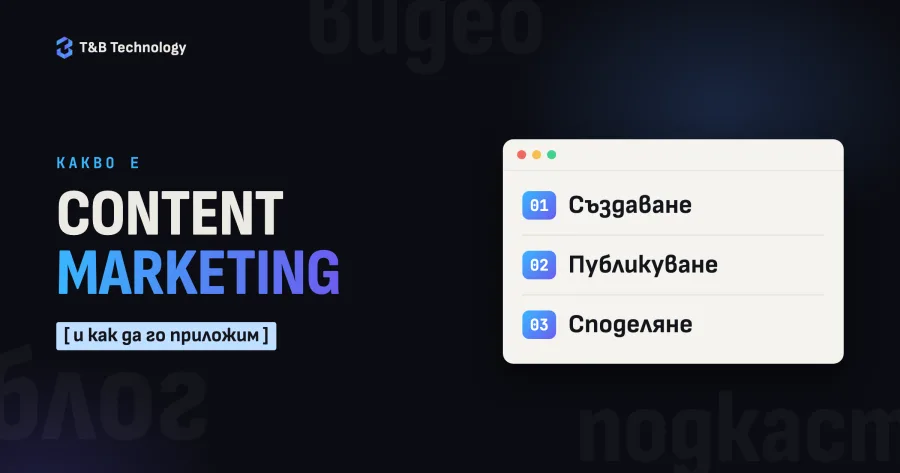
What is content marketing, and how do you put it into practice?
The glossary: the words we use, explained plainly.
A CMS (content management system) is the software your team uses to change what the site says — text, images, pages, products — without a developer and without touching code.
Landing pageA landing page is a page built for the traffic that arrives on it — from an ad, an email, a social post — with one message and one action.
APIAn API (application programming interface) is the agreed set of rules through which two pieces of software exchange data and trigger each other’s functions.
HTMLHTML (hypertext markup language) is the language that gives a page its structure and meaning: headings, paragraphs, lists, links, images, forms.
KeywordA keyword is the word or phrase a person types when they are looking for something.
Conversion rateConversion rate is the share of visitors who complete the action you defined as the goal — an order, a form, a subscription, a download.
Inbound link (backlink)An inbound link, or backlink, is a hyperlink from someone else’s site to a page of yours.
B2BB2B (business-to-business) describes trade between companies rather than with individual consumers: raw materials sold to a manufacturer, software licensed to a firm, consultancy delive…
A term you do not recognise? Write to us and we will add it.
The glossary grows with the questions we are asked.