
Notes from the work.
Speed, platforms, search — what we learn while building.
Glossary · 285 terms, explained plainly →
From a look to a visual experience

A business website is a tool, not a business card

Design as language: what a visual identity says

Human-first branding: why a human voice now wins
Slow content: the answer to too much noise

Building a brand: which matters more, the brand or the product?
Personalised marketing turns advertising into a conversation
Branding against marketing: where the line runs

Five UX mistakes that cost you sales
How AI is changing online habits
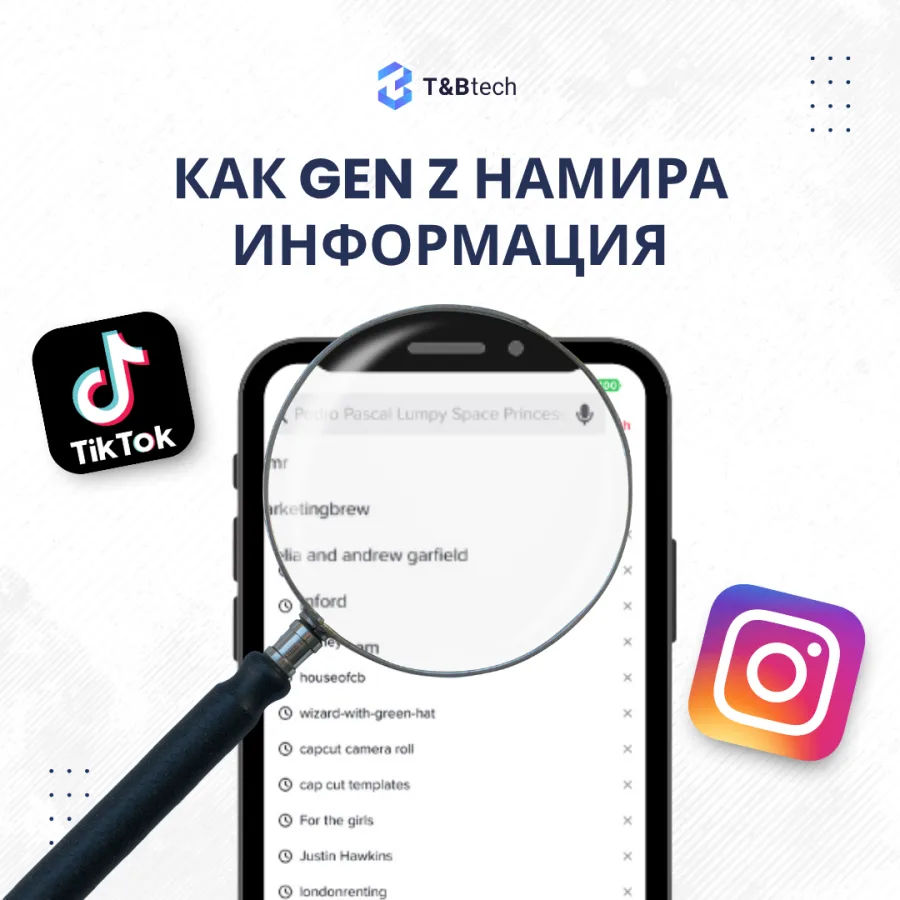
From TikTok to Google: how Gen Z looks things up
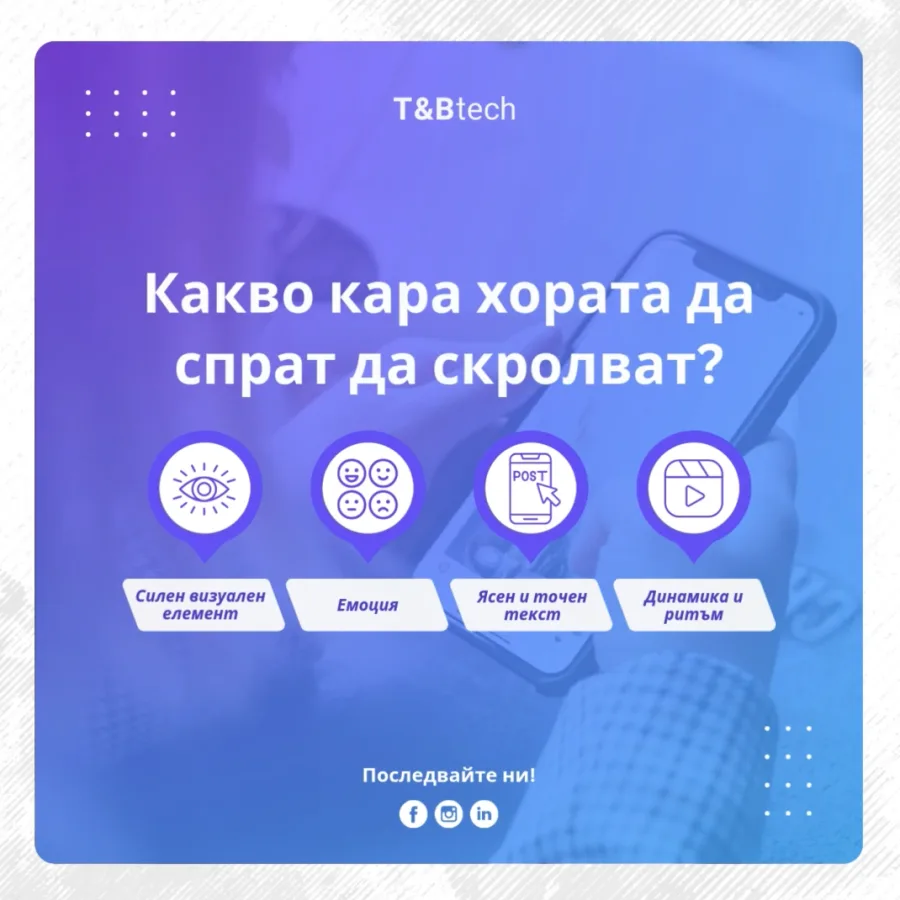
Scroll behaviour: what makes people keep going
The glossary: the words we use, explained plainly.
A CMS (content management system) is the software your team uses to change what the site says — text, images, pages, products — without a developer and without touching code.
Landing pageA landing page is a page built for the traffic that arrives on it — from an ad, an email, a social post — with one message and one action.
APIAn API (application programming interface) is the agreed set of rules through which two pieces of software exchange data and trigger each other’s functions.
HTMLHTML (hypertext markup language) is the language that gives a page its structure and meaning: headings, paragraphs, lists, links, images, forms.
BlogA blog is the section of a site where entries are published in reverse chronological order, newest first.
KeywordA keyword is the word or phrase a person types when they are looking for something.
Conversion rateConversion rate is the share of visitors who complete the action you defined as the goal — an order, a form, a subscription, a download.
Inbound link (backlink)An inbound link, or backlink, is a hyperlink from someone else’s site to a page of yours.
A term you do not recognise? Write to us and we will add it.
The glossary grows with the questions we are asked.