Rebranding: how to tell when it is time for a change
When and why is it time to rebrand? How to refresh your image with a clear strategy, without losing your customers or the value your brand has built.
Selli Porteva ·

- What is rebranding?
- Signs it is time for a change
- How to approach a successful rebrand
- Common rebranding mistakes
- Rebrands worth learning from
- The takeaway
Technology, customer habits and competition all move at lightning speed, so no brand’s identity can stay the same forever. Building a strong brand takes consistency and stability, but there comes a point when rebranding is no longer an option but a necessity.
How do you recognise that moment? And how do you change in a way that keeps the value you have built so far while you adapt to a new reality? Here is how to think about it.
What is rebranding?
Rebranding means changing how your brand looks, sounds or is perceived. It can be anything from small adjustments, such as refreshing the logo and the colour palette, to a complete overhaul of the name, the messaging, the visual identity and even the brand’s position in the market. A rebrand is a strategic decision, based on clear reasons and goals.
Signs it is time for a change
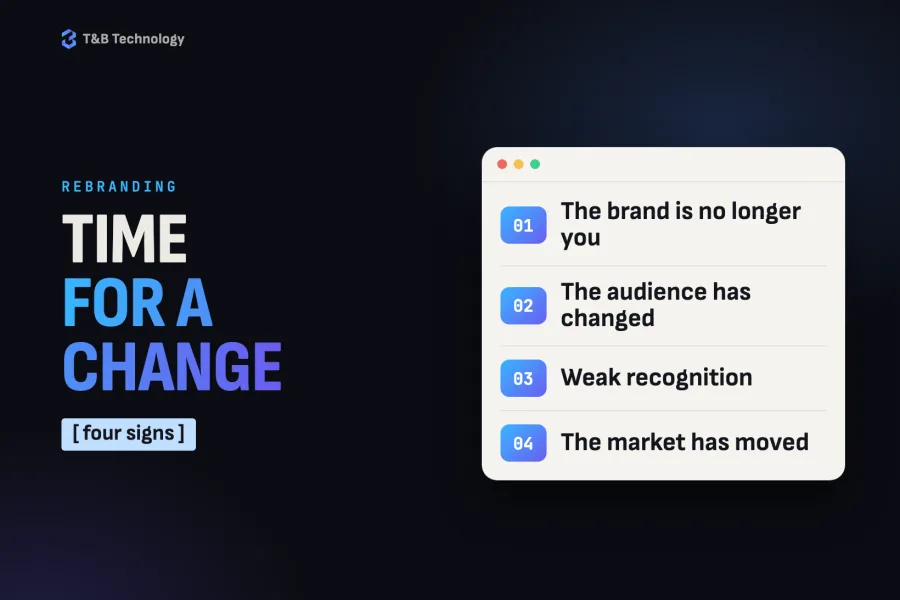
- Your brand no longer reflects who you are
Businesses evolve. If you started out as a small boutique company and now serve large corporate clients, your old identity probably feels out of place. If your values, your mission or your product line have changed significantly, that is a clear sign it is time to rebrand.
- Your target audience has changed
Growth or a shift in the market sometimes brings in a new kind of customer. If your new audience does not identify with your current brand, you need to rethink your positioning to build a stronger connection with them.
- You have a recognition or reputation problem
If your brand still carries old negative associations, or simply fails to stand out from its competitors, a well-planned rebrand can give your identity a new lease of life and correct the wrong perceptions.
- Your market or industry is changing
Changes across an industry, new technology or global events (a pandemic, a change in the law) can make your brand look dated. In those cases adapting is not just advisable, it is essential.
How to approach a successful rebrand
- Define your goals clearly
A rebrand should be driven by specific business goals: reaching new markets, changing how customers see you or bringing your image up to date.
- Understand your audience
Run research, surveys and interviews. What do your customers expect and want? What do they associate with your brand? What do they want to see and feel?
- Study the competition
Look at what others in your sector are doing. How can you set yourself apart, clearly and with confidence?
- Be consistent
Your new identity has to be consistent everywhere: on the website, on social media, in marketing materials, on packaging and in customer service.
- Plan a smooth transition
Tell your audience about the change: why it is happening and what it means for them. Make it an exciting moment, not an unwelcome shock.
Rebrands worth learning from
Burberry
Burberry went from a dated brand tied to certain stereotypes in the UK to a luxury giant, thanks to a strategic rebrand and a return to its roots in authentic British craftsmanship.
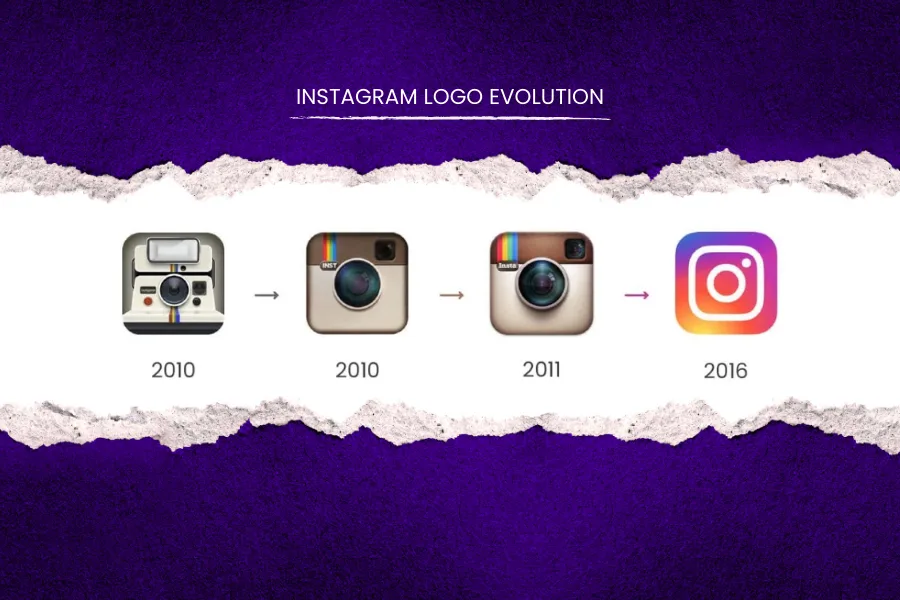
In 2016 Instagram swapped its classic retro camera logo for a stylised, modern icon. The change shocked users at first, then became the symbol of the platform’s new era of visual communication.
The takeaway
Rebranding is a powerful tool, but it takes skill and strategy to use it well. A truly successful rebrand does more than change the colours and the logo: it inspires, brings people together and opens new horizons for the business.
If you feel that your brand no longer matches your vision, your customers or the new reality of your market, it may be time to ask yourself: is it time for a change?
If your question goes beyond one article and is about the whole brand rather than a single detail, here is how we approach branding, from identity to brand book.
Branding
Branding: a logo, business cards, letterheads and a brand book that sets the rules — an identity that stays yours.
CASE STUDYThe Book: a visual identity, Canva templates and printed materials for a dark-romance bookstore
A visual identity for The Book, an online bookstore for dark-romance fiction: logo, palette and type, then Canva templates and printed materials for readers.